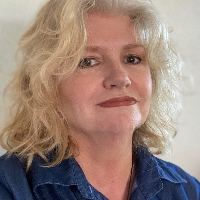
- LMFT, California
- 86682 · runs to August 2026
- NPI
- 1881730646 · national provider identifier
- Years in practice
- 15
- Languages
- English
As listed on Karen's public professional profile. A license can be checked with the state board that issued it, and an NPI with the national registry.
About Karen
Karen McGuffey is a Licensed Marriage and Family Therapist (LMFT) in California with 15 years of experience. She works with people facing stress, anxiety, addictions, trauma and abuse, grief, and relationship concerns. Her practice also addresses issues like self-esteem, intimacy-related concerns, trouble sleeping, anger, career changes, bipolar disorder, and depression.
Karen draws on a mix of straightforward therapeutic methods to help people name what is hard and start making changes.
Background and approach
Sessions are focused on practical skills and clearer thinking, alongside deeper work when past hurts or trauma are present. She pays attention to patterns that leave someone feeling stuck and to ways to shift those patterns. Her background includes long experience in community mental health and work with people affected by compassionate fatigue, caregiver stress, chronic illness, codependency, and domestic violence.
Karen also supports people dealing with abandonment, attachment issues, body image, and the effects of cancer or aging on life and relationships. In the room she uses client-centered listening together with approaches that offer concrete tools, such as cognitive behavioral methods and emotion regulation skills.
When trauma is part of the picture, she may use EMDR techniques alongside other therapies to address painful memories. People who choose her often want clear steps they can try between sessions. Karen asks practical questions, suggests exercises, and tracks progress so goals become more visible.
To begin, she asks new clients to complete a short matching questionnaire and schedule a first session.
What Karen works with
Copied from Karen's public professional profile, in the words used there. It is what Karen lists, not a ranking or an assessment.
- Stress, Anxiety
- Addictions
- Trauma and abuse
- Grief
- Self esteem
- Relationship issues
- Family conflicts
- Intimacy-related issues
- Sleeping disorders
- Anger management
- Career difficulties
- Bipolar disorder
- Depression
- Coping with life changes
- Compassion fatigue
- Abandonment
- Aging and geriatric issues
- Attachment issues
- Avoidant personality
- Body image
- Cancer
- Caregiver issues and stress
- Chronic pain, illness, and disability
- Codependency
- Commitment issues
- Communication problems
- Control issues
- Coping with natural or human-caused disaster
- Dependent personality
- Domestic violence
- Drug and alcohol addiction
- Family of origin issues
- Family problems
- Forgiveness
- Guilt and shame
- Hearing impaired
- Hoarding
- Impulsivity
- Isolation / loneliness
- Jealousy
- Money and financial issues
- Mood disorders
- Panic disorder and panic attacks
- Personality disorders
- Post-traumatic stress
- Process addiction (porn, exercise, gambling)
- Seasonal Affective Disorder (SAD)
- Self-love
- Sexual assault and abuse
- Social anxiety and phobia
- Women's issues
- Workplace issues
Approaches Karen names
- Client-Centered Therapy
- Cognitive Behavioral Therapy (CBT)
- Dialectical Behavior Therapy (DBT)
- Existential Therapy
- Eye Movement Desensitization and Reprocessing (EMDR)
- Jungian Therapy
- Mindfulness Therapy
- Motivational Interviewing
- Psychodynamic Therapy
- Solution-Focused Therapy
- Trauma-Focused Therapy
Naming an approach is not evidence of training in it. This directory shows what each therapist lists and does not check training records.
How therapeutic approaches are used in online sessions
Client-Centered Therapy focuses on listening and reflecting so people can name their difficulties and priorities; it helps when someone needs time and attention to sort out feelings and decide what to change. Cognitive Behavioral Therapy (CBT) teaches practical tools to spot unhelpful thoughts and try different behaviors, which is useful for anxiety, depression, sleep problems, and stress. Dialectical Behavior Therapy (DBT) offers skills for managing strong emotions and improving communication, which can help with anger, relationship stress, and mood regulation.Finding the right mix of approaches is part of the work together. The therapist will talk with each person about their goals, past experiences, and what methods feel most useful. That lets the therapist and client choose exercises, homework, or trauma-focused steps that fit the situation in a collaborative way.
If you are considering online sessions, confirm the current session options before booking. The practical benefit of remote sessions is convenience: they can make it easier to fit a short check-in into a busy day, avoid travel time, or choose audio-only for a low-bandwidth call. The therapist will discuss what will work best and help arrange a session rhythm that fits your schedule and needs.
Questions people ask about Karen
What kinds of concerns does she help with?
She works with stress, anxiety, addictions, trauma and abuse, grief, relationship and family concerns, self-esteem, intimacy issues, sleeping problems, anger, career changes, bipolar disorder, depression, and coping with life changes.
What is her therapeutic style?
Her approach combines client-centered listening with practical methods like cognitive behavioral techniques and emotion regulation skills, and she may use EMDR when trauma is involved.
How much experience does she have?
She has 15 years of experience working as a therapist, including work in community mental health settings.
What are her credentials and where is she based?
She is a Licensed Marriage and Family Therapist (LMFT) licensed in California and practices from that state.
Which languages are supported?
Sessions are offered in English.
Can people outside the US work with her?
She does not accept international clients at this time.
How does cost and payment work?
Cost varies with location and sessions use a subscription that can be canceled at any time.
What are the first steps to get started?
Select the See online therapy options button, complete a short matching questionnaire, and schedule a first session.
More therapists in California
Everyone in California
Deitra Jones
LCSW
California 10 years in practice
LCSW - stress and family concerns
- Stress, Anxiety
- Addictions
- Trauma and abuse

Hyun Lee
LMFT
California 11 years in practice
Licensed MFT - relationships and parenting
- Relationship
- Intimacy-related issues
- Self esteem
Fonda Cormier
LMFT
California 10 years in practice
Licensed Marriage and Family Therapist - Relationships and Stress
- Stress, Anxiety
- Relationship
- Self esteem
Surnames under M · everyone in the directory whose surname starts with M
Is this your profile?
Ask us to correct a detail or take the page down.
Contact us