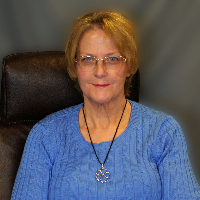
Carol Gross, LCSW
Licensed Clinical Social Worker - Family and parenting focus
- LCSW, Utah
- 5633817-3501 · runs to September 2026
- NPI
- 1811292998 · national provider identifier
- Years in practice
- 25
- Languages
- English
As listed on Carol's public professional profile. A license can be checked with the state board that issued it, and an NPI with the national registry.
About Carol
Carol Gross is a Licensed Clinical Social Worker (LCSW) in Utah with 25 years of experience helping people cope with stress, anxiety, mood concerns, addiction, and family-related worries. She lists work with trauma and abuse, anger, bipolar conditions, grief, sleeping and eating issues, ADHD, and parenting among her focus areas.
Carol writes plainly about noticing discomfort and using that awareness to make changes. Her practice draws heavily on Acceptance and Commitment Therapy (ACT) along with cognitive behavioral ideas and mindfulness techniques.
Background and approach
She often uses the ACT Matrix as a practical tool to help people sort thoughts, feelings, and actions. Sessions include skill-building for managing anxiety, increasing psychological flexibility, and improving coping behaviors. Carol also uses client-centered principles and elements of Dialectical Behavior Therapy when appropriate.
She blends structured strategies like behavioral experiments and thought work with mindfulness exercises that help people track patterns in everyday life. These approaches are applied to concerns such as relationship strain, intimacy-related issues, self-esteem, career stress, caregiving burdens, and chronic illness or pain.
Her background before clinical practice included work in systems analysis and behavior observation, which she says informs her practical, problem-focused style. She describes learning from personal adversity and using those lessons to guide others through change. Carol works in Utah and provides services in English.
International clients are not accepted. To begin, prospective clients complete a short matching questionnaire and schedule their first session through the site.
What Carol works with
Copied from Carol's public professional profile, in the words used there. It is what Carol lists, not a ranking or an assessment.
- Stress, Anxiety
- Family conflicts
- Trauma and abuse
- Anger management
- Bipolar disorder
- Addictions
- Relationship issues
- Grief
- Intimacy-related issues
- Eating disorders
- Sleeping disorders
- Parenting issues
- Self esteem
- Career difficulties
- Depression
- Coping with life changes
- Coaching
- Compassion fatigue
- ADHD
- Abandonment
- Aging and geriatric issues
- Attachment issues
- Autism and Asperger Syndrome
- Avoidant personality
- Blended family issues
- Body image
- Caregiver issues and stress
- Chronic pain, illness, and disability
- Co-morbidity
- Codependency
- Commitment issues
- Communication problems
- Control issues
- Coping with natural or human-caused disaster
- Dependent personality
- Disruptive Mood Dysregulation Disorder (DMDD)
- Divorce and separation
- Domestic violence
- Drug and alcohol addiction
- Eating and food-related issues
- Emptiness
- Family of origin issues
- Family problems
- Fatherhood issues
- Fertility issues
- First responder issues
- Forgiveness
- Guilt and shame
- Hospice and end-of-life counseling
- Impulsivity
- Infidelity
- Intellectual disability
- Isolation / loneliness
- Jealousy
- Life purpose
- Midlife crisis
- Mood disorders
- Narcissism
- Obsessions, compulsions, and OCD
- Panic disorder and panic attacks
- Personality disorders
- Phobias
- Postpartum depression
- Post-traumatic stress
- Pregnancy and childbirth
- Process addiction (porn, exercise, gambling)
- Seasonal Affective Disorder (SAD)
- Self-love
- Social anxiety and phobia
- Traumatic brain injury
- Women's issues
- Workplace issues
- Young adult issues
Approaches Carol names
- Acceptance and Commitment Therapy (ACT)
- Client-Centered Therapy
- Cognitive Behavioral Therapy (CBT)
- Dialectical Behavior Therapy (DBT)
- Mindfulness Therapy
- Motivational Interviewing
- Solution-Focused Therapy
- Trauma-Focused Therapy
- Internal Family Systems
Naming an approach is not evidence of training in it. This directory shows what each therapist lists and does not check training records.
How her key approaches translate to online sessions
Acceptance and Commitment Therapy (ACT) helps people notice thoughts and feelings without getting stuck in them and then take actions that match their values. It is useful for anxiety, avoidance, and making behavior changes that matter to the client. Cognitive Behavioral Therapy (CBT) focuses on identifying unhelpful thought patterns and trying small behavioral experiments to change results. It is commonly used for anxiety, depression, and sleep or eating concerns. Mindfulness Therapy teaches simple attention and breathing practices to reduce reactivity and improve focus, which supports coping with stress and emotional ups and downs.The therapist treats choosing an approach as a collaborative step. She will discuss what feels most useful for the person, try methods in-session, and adjust the plan based on how skills and strategies work in everyday life. Clients and therapist decide together which tools to keep using.
Confirm the exact session formats before booking because the biography does not list specific delivery methods. Many people find online sessions easier to fit around work, caregiving, or travel and appreciate shorter check-ins when weeks are busy. Others prefer longer sessions for skills practice. Whatever the format, the focus remains practical skills, tracking progress, and applying ACT, CBT, or mindfulness exercises to family and parenting concerns or other life stressors.
Questions people ask about Carol
What concerns does she address?
She works with stress, anxiety, mood disorders, addiction, trauma and a wide range of family and life concerns such as parenting, grief, and caregiving stress.
How would you describe her therapeutic style?
Her style emphasizes Acceptance and Commitment Therapy along with cognitive behavioral and mindfulness methods to build coping skills and change patterns of behavior.
How much experience does she bring?
She has 25 years of clinical experience supporting people with anxiety, depression, bipolar issues, ADHD, and related concerns.
What are her credentials and where is she based?
She is an LCSW licensed in Utah and practices from that state.
Does she work in other languages or with international clients?
Sessions are offered in English and international clients are not accepted.
What session formats are used?
Please confirm current session options before booking, as the biography does not list specific formats.
How are fees handled?
Costs vary by location and sessions use a subscription model that can be canceled at any time.
How do I get started?
Use the See online therapy options button, complete the short matching questionnaire, and schedule a first session.
More therapists in Utah
Everyone in Utah
Garth Johnson
LCSW
Utah 35 years in practice
Licensed Clinical Social Worker - Family and parenting
- Stress, Anxiety
- Relationship
- Trauma and abuse

Carmen Killpack
LPC, LCMHC
Texas 8 years in practice English, Spanish
LPC and LCMHC - Stress and Parenting
- Stress, Anxiety
- Trauma and abuse
- Grief

Brandon Woffinden
LCMHC
Utah 10 years in practice
Licensed Clinical Mental Health Counselor - Family and parenting related concerns
- Stress, Anxiety
- Addictions
- Trauma and abuse
Surnames under G · everyone in the directory whose surname starts with G
Is this your profile?
Ask us to correct a detail or take the page down.
Contact us