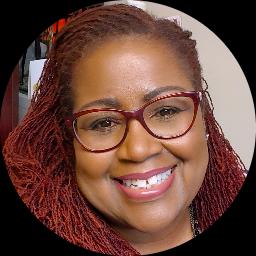
Cheryl Watson, LISW-CP
Licensed social worker - family and parenting concerns
- LISW-CP, South Carolina
- 14663 · runs to December 2026
- NPI
- 1659488393 · national provider identifier
- Years in practice
- 25
- Languages
- English
As listed on Cheryl's public professional profile. A license can be checked with the state board that issued it, and an NPI with the national registry.
About Cheryl
Cheryl Watson is a Licensed Independent Social Worker with Clinical Practice (LISW-CP) in South Carolina and has 25 years of clinical experience. She helps people who are dealing with stress, anxiety, trauma and abuse, grief, intimacy-related concerns, depression, addictions, relationship strain, family and parenting challenges, low self-esteem, career shifts, and compassion fatigue. Cheryl favors straightforward conversation.
She listens to what is most pressing and works with each person to identify practical steps.
Background and approach
Sessions focus on understanding patterns, building new skills, and testing small changes that fit day-to-day life. Her approach blends client-centered work with practical techniques from cognitive behavioral therapy and dialectical behavior therapy. Mindfulness practices and motivational interviewing are also part of the mix when they suit a client's goals.
Cheryl aims to match methods to a person’s needs rather than follow a single formula. Clients can expect clear communication about next steps and typical response times for messages. The emphasis is on clear, manageable progress rather than fast fixes.
Cheryl encourages people to bring the concrete problems and scenarios they face at home or work. Her long experience includes work with issues such as abandonment, attachment concerns, blended family problems, caregiver stress, chronic illness and pain, codependency, divorce and separation, domestic violence, fatherhood issues, and aging and geriatric concerns. She helps people navigate these challenges with practical strategies and steady support.
What Cheryl works with
Copied from Cheryl's public professional profile, in the words used there. It is what Cheryl lists, not a ranking or an assessment.
- Stress, Anxiety
- Trauma and abuse
- Grief
- Intimacy-related issues
- Depression
- Addictions
- Relationship issues
- Family conflicts
- Parenting issues
- Self esteem
- Career difficulties
- Coping with life changes
- Compassion fatigue
- Abandonment
- Aging and geriatric issues
- Attachment issues
- Blended family issues
- Caregiver issues and stress
- Chronic pain, illness, and disability
- Codependency
- Commitment issues
- Communication problems
- Dependent personality
- Divorce and separation
- Domestic violence
- Family of origin issues
- Family problems
- Fatherhood issues
- Forgiveness
- Hospice and end-of-life counseling
- Impulsivity
- Infidelity
- Isolation / loneliness
- Life purpose
- Midlife crisis
- Mood disorders
- Panic disorder and panic attacks
- Women's issues
- Workplace issues
- Young adult issues
Approaches Cheryl names
- Client-Centered Therapy
- Cognitive Behavioral Therapy (CBT)
- Dialectical Behavior Therapy (DBT)
- Mindfulness Therapy
- Motivational Interviewing
- Narrative Therapy
- Solution-Focused Therapy
- Trauma-Focused Therapy
Naming an approach is not evidence of training in it. This directory shows what each therapist lists and does not check training records.
How her approaches translate to online work
Cheryl integrates client-centered care with cognitive behavioral therapy (CBT) and dialectical behavior therapy (DBT) approaches. Client-centered work means the conversation focuses on the person’s goals and immediate concerns, letting the therapist follow what matters most. CBT breaks problems into thoughts, feelings, and actions and teaches practical skills to shift unhelpful thought patterns and behaviors. DBT emphasizes building emotional regulation and distress tolerance skills that help when feelings feel overwhelming.Choosing the right approach is part of the work. Cheryl will discuss goals, preferences, and what has helped in the past, and then she and the client will decide together which methods to try. That collaborative process helps make sessions relevant to home and family life.
The biography does not list specific session formats, so confirm available online options before booking. Online work can make it easier to fit sessions into a busy week, allow shorter check-ins when needed, and remove travel time so a session fits between responsibilities. Therapists often adapt CBT and DBT tools to short exercises, worksheets, or audio-guided mindfulness practice that clients can use between sessions.
Questions people ask about Cheryl
What kinds of problems does she focus on?
She works with stress, anxiety, trauma and abuse, grief, intimacy issues, depression, addictions, relationship and family challenges, parenting concerns, self esteem, career changes, and compassion fatigue.
What is her general therapeutic style?
She uses a client-centered style combined with practical strategies from cognitive behavioral therapy and dialectical behavior therapy, plus mindfulness and motivational interviewing when helpful.
How much experience does she have?
She has 25 years of professional experience working with a wide range of emotional and family-related concerns.
Where is she licensed and practicing?
She holds the SC LISW-CP credential and practices in South Carolina.
Does she offer sessions in other languages or internationally?
Sessions are offered in English and she is not accepting international clients.
What session formats are available?
The original biography does not specify session formats. Please confirm current session options before booking.
How are fees handled?
Cost varies with location and sessions use a subscription that can be canceled at any time.
How do I get started with her?
Choose the See online therapy options button, complete the short matching questionnaire, and schedule a first session.
More therapists in South Carolina
Everyone in South Carolina
Elisabeth Jordan
LPC
South Carolina 25 years in practice
Licensed Professional Counselor - Relationships and Family
- Relationship
- Intimacy-related issues
- Stress, Anxiety

Cindy Richardson
LPC
South Carolina 25 years in practice
LPC in South Carolina - family and parenting focus
- Stress, Anxiety
- Addictions
- Depression

Kellie Cousino
LCSW, LISW-CP
South Carolina 10 years in practice
LCSW and LISW-CP - Family and parenting focus
- Stress, Anxiety
- Addictions
- Trauma and abuse
Surnames under W · everyone in the directory whose surname starts with W
Is this your profile?
Ask us to correct a detail or take the page down.
Contact us